Fiber-reinforced composites have transformed aerospace structures, enabling lightweight,
fatigue- and corrosion-resistant components and driving rapid growth in highly composite aircraft.
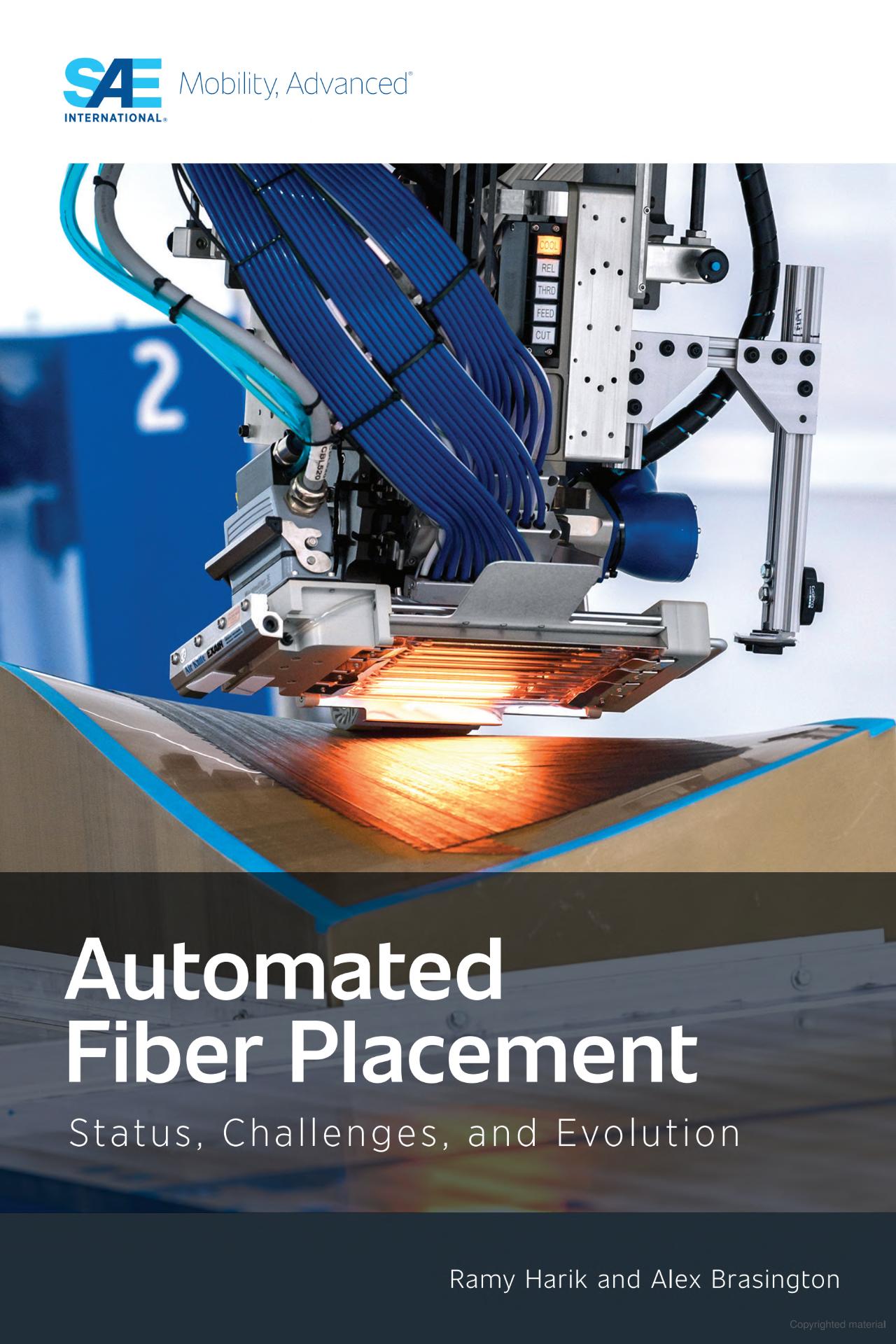
Automated fiber placement (AFP) and related processes boost laydown rates, material efficiency,
and design flexibility while reducing waste. The foreword highlights five major composite technology
platforms: thermoset prepreg and AFP, thermoset resin infusion and dry fiber placement, thermoplastic
composites, ceramic matrix composites, and 3D printing of continuous fiber structures. Across these,
advances in raw materials, heating and consolidation methods, in-line inspection, bonding and joining technologies,
and rapid-cure or out-of-autoclave systems are raising production rates and lowering costs. Coupled with
“Industry 4.0” tools—robotics, advanced analytics, machine learning, and digital twins—these developments will enable faster,
more sustainable composite manufacturing for next-generation aircraft and for other sectors such as automotive, wind energy,
marine, construction, and sporting goods, making this an especially exciting time for composite manufacturing.